
Event · 3 June 2026
What We Learned at the 2026 Yongkang Door Expo
Three days of conversations around thermal breaks, acoustic evidence, integrated entrance design and project-specific finishes.

Three days of direct market feedback
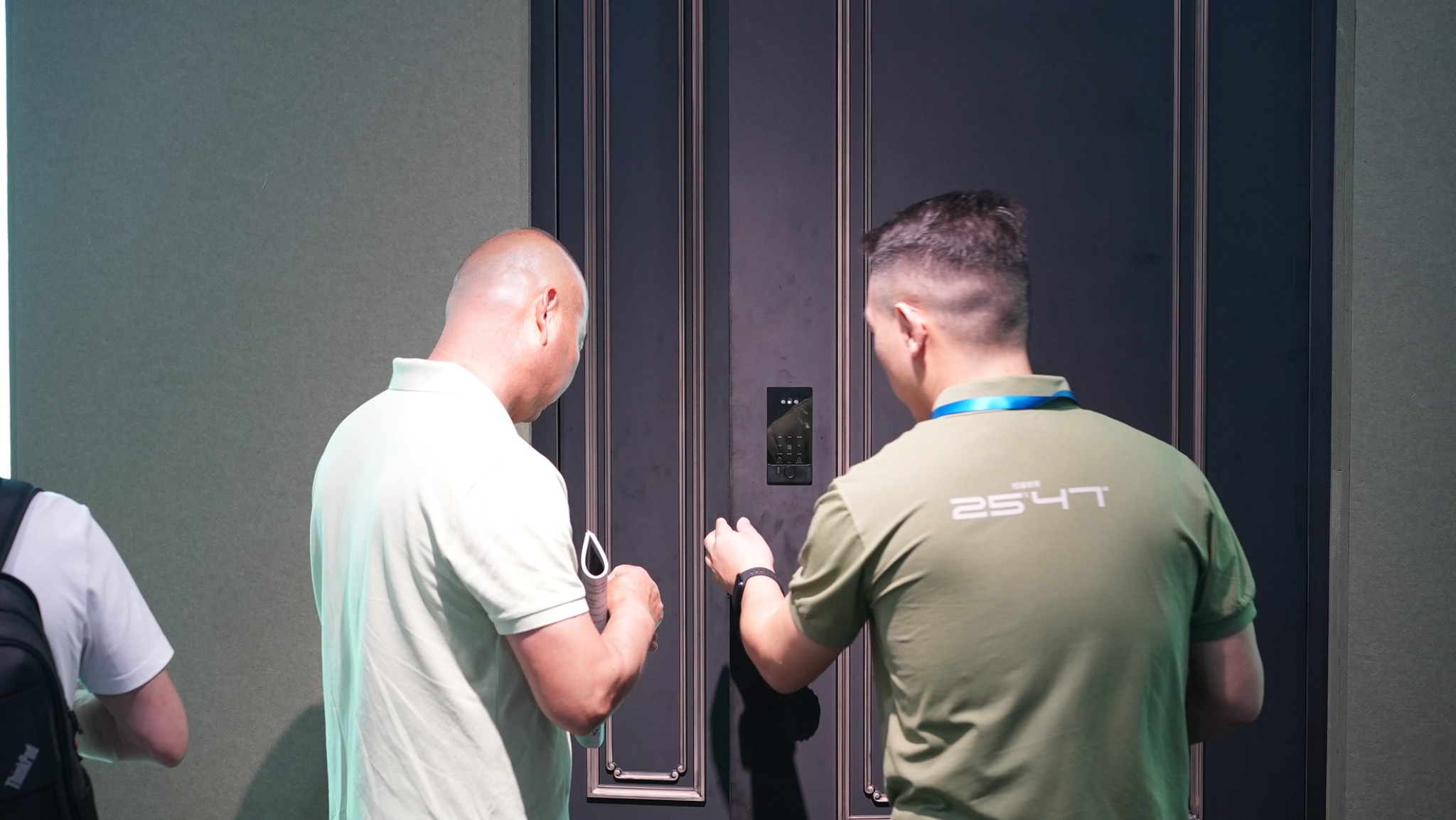
EPIN TOMCIM presented the 2547 reference entrance system at the 16th China (Yongkang) International Door Industry Expo from 26 to 28 May 2026. The stand was designed around complete entrance scenarios rather than rows of isolated door leaves.
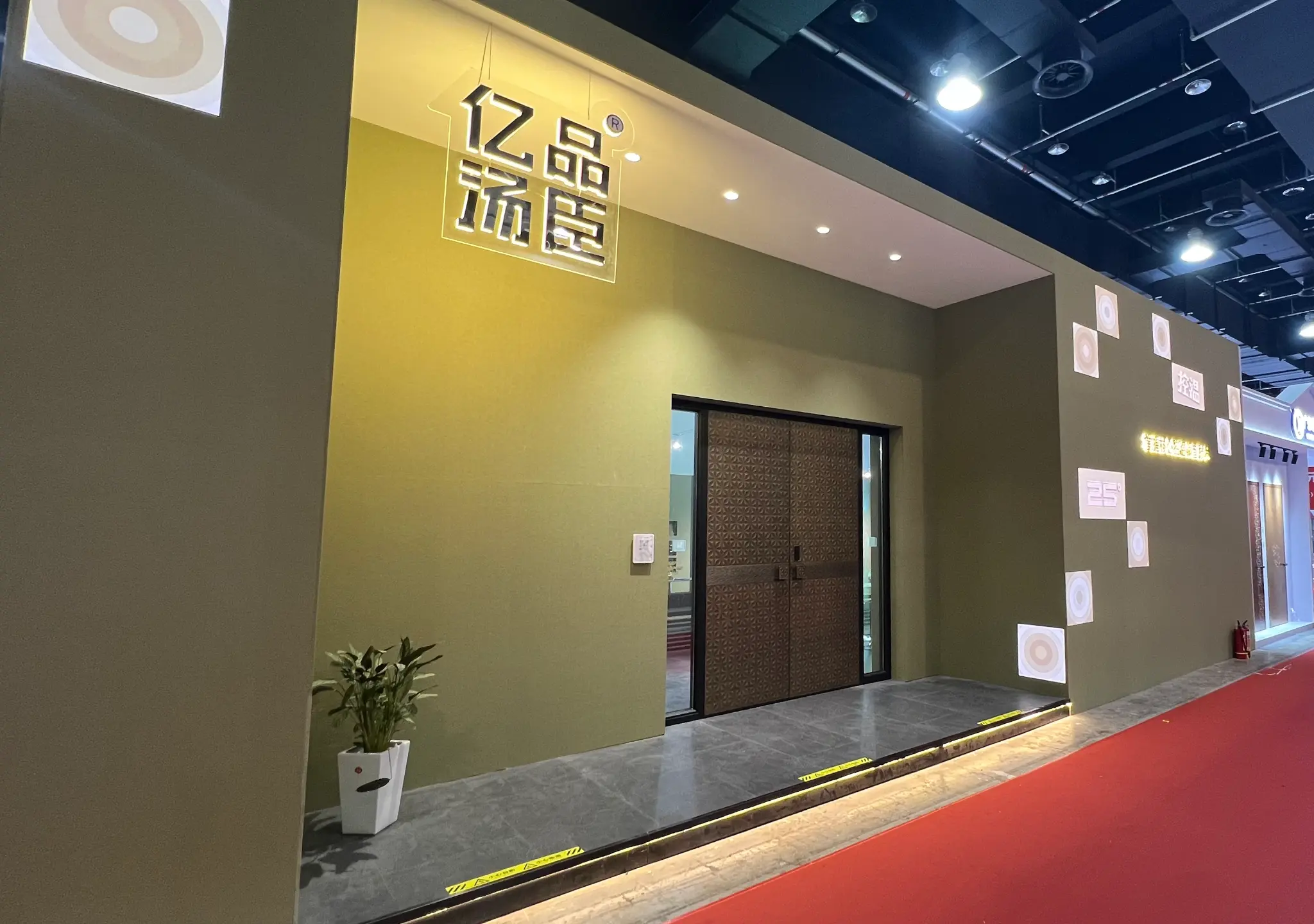
Three ways the stand made performance discussable
- Live demonstrations: an acoustic experience enclosure, temperature comparison and infrared imaging helped visitors see and hear the questions behind thermal and acoustic design. These were exhibition demonstrations, not substitutes for controlled laboratory reports.
- Open construction: lock components, hinge references, EPDM seals, the thermal-break section and a multi-layer leaf cutaway were presented where buyers could inspect the interfaces normally hidden inside a finished door.
- Full-scale entrance settings: complete doors were shown with surrounding panels, lighting, handles and finishes so that performance and architectural expression could be discussed together.
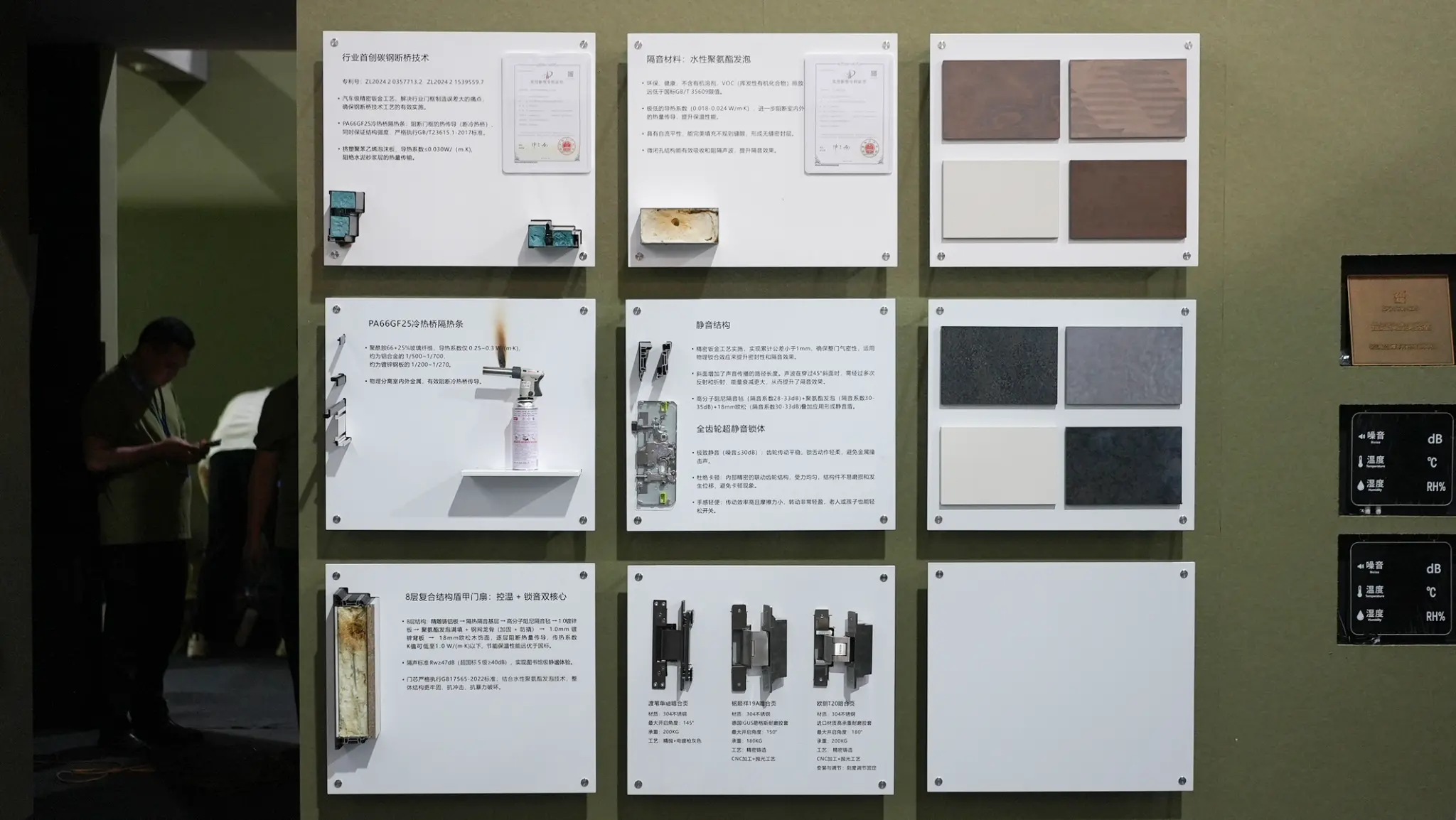
What visitors wanted to understand
Discussions repeatedly returned to four practical questions:
- How does the frame interrupt the direct metal heat-transfer path?
- Which acoustic or thermal figure applies to the complete proposed door?
- How can the leaf, frame, surrounding panels, lighting and hardware be designed as one entrance?
- Which finish and handle options can be repeated consistently across a project?
The useful lesson was that a striking surface can attract attention, but buyers stay for the construction section, sample, hardware and evidence behind it.
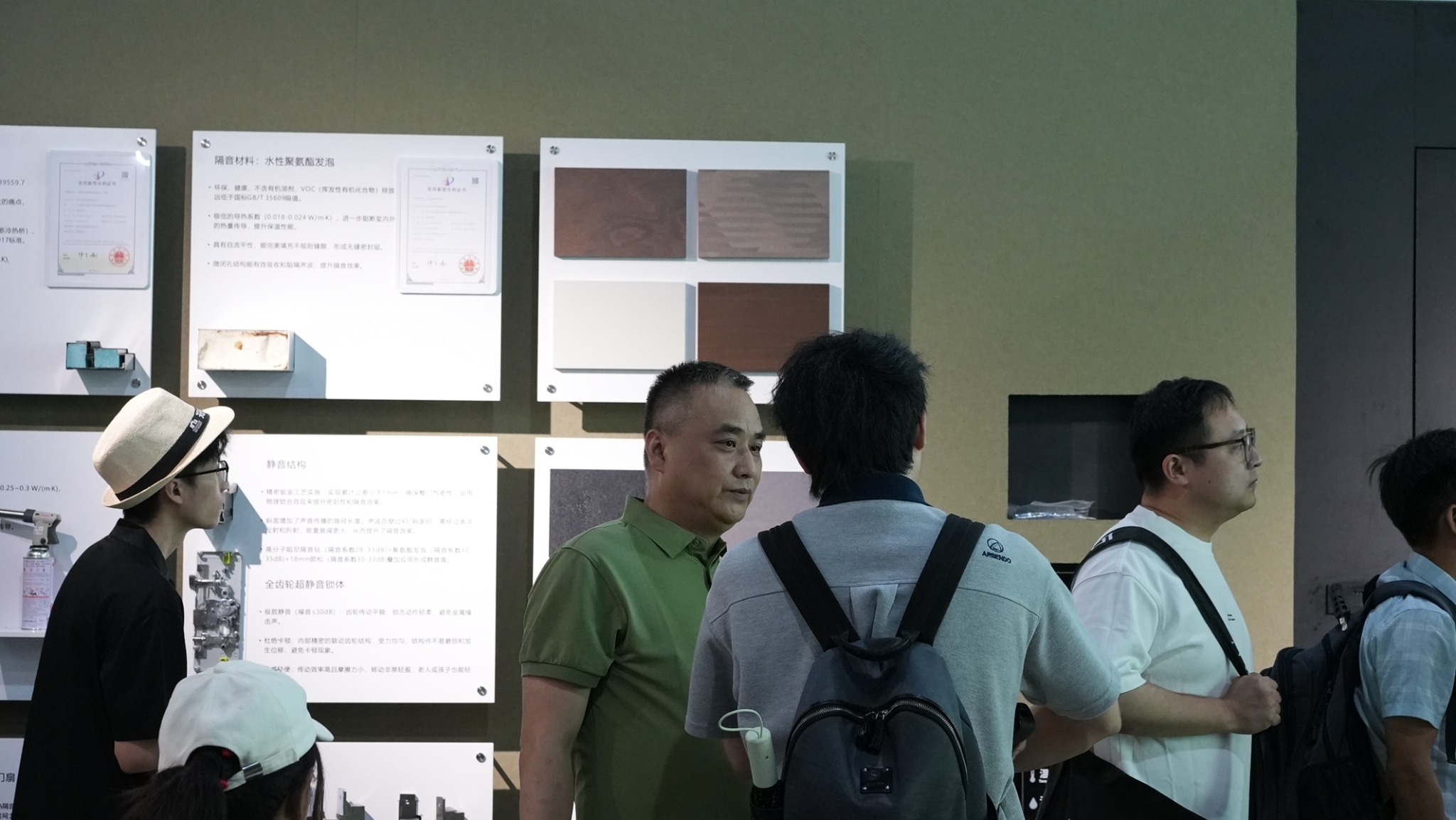
The 2547 as a conversation starter
The displayed reference combined a thermally separated steel-frame approach, a reinforced insulated leaf, a multi-stage sealing strategy and project-specific finish options. Rather than treating 25°C and 47 dB as universal promises, international project conversations should connect each requirement to the proposed configuration and supporting report.
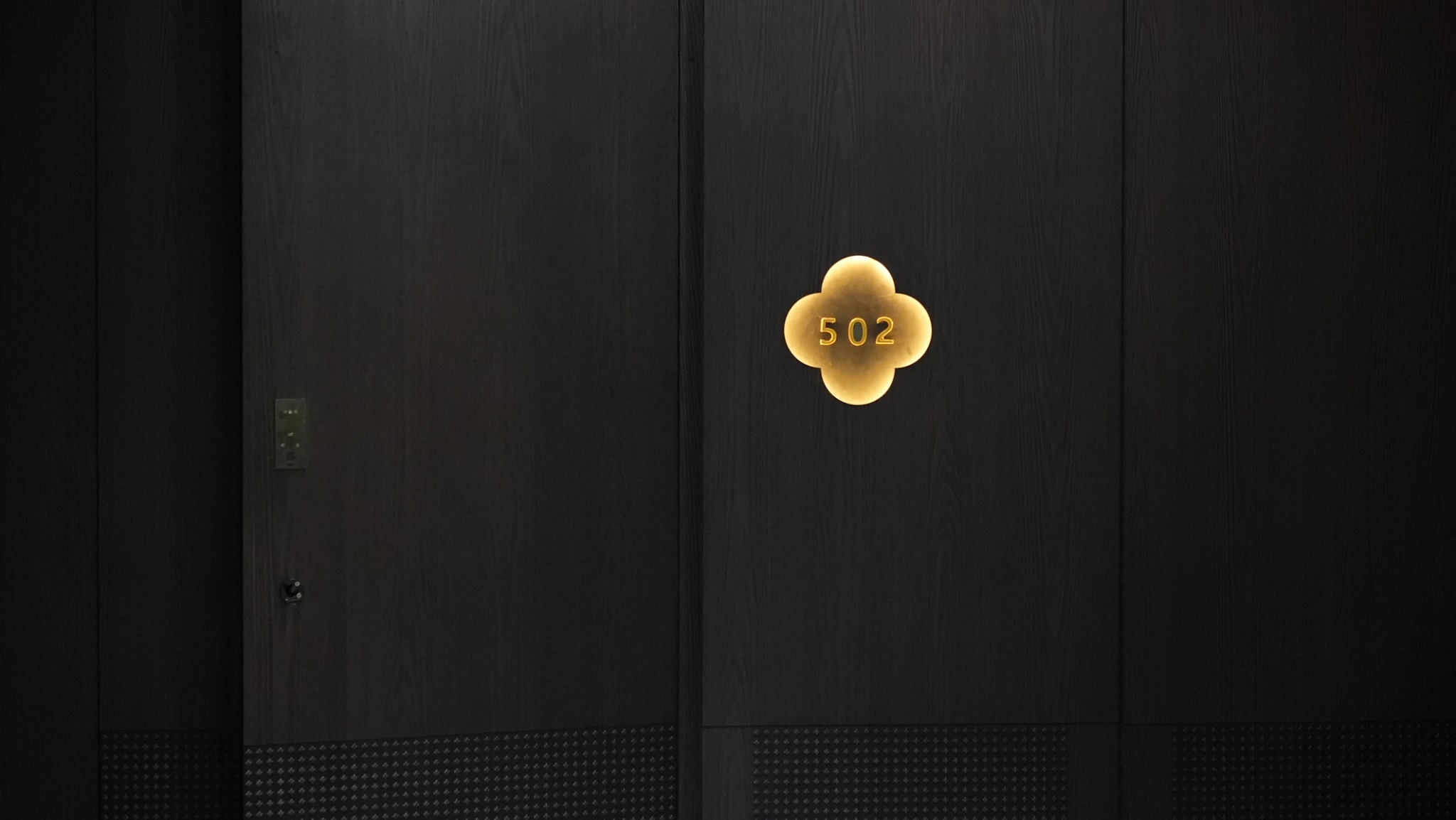
What the product displays clarified
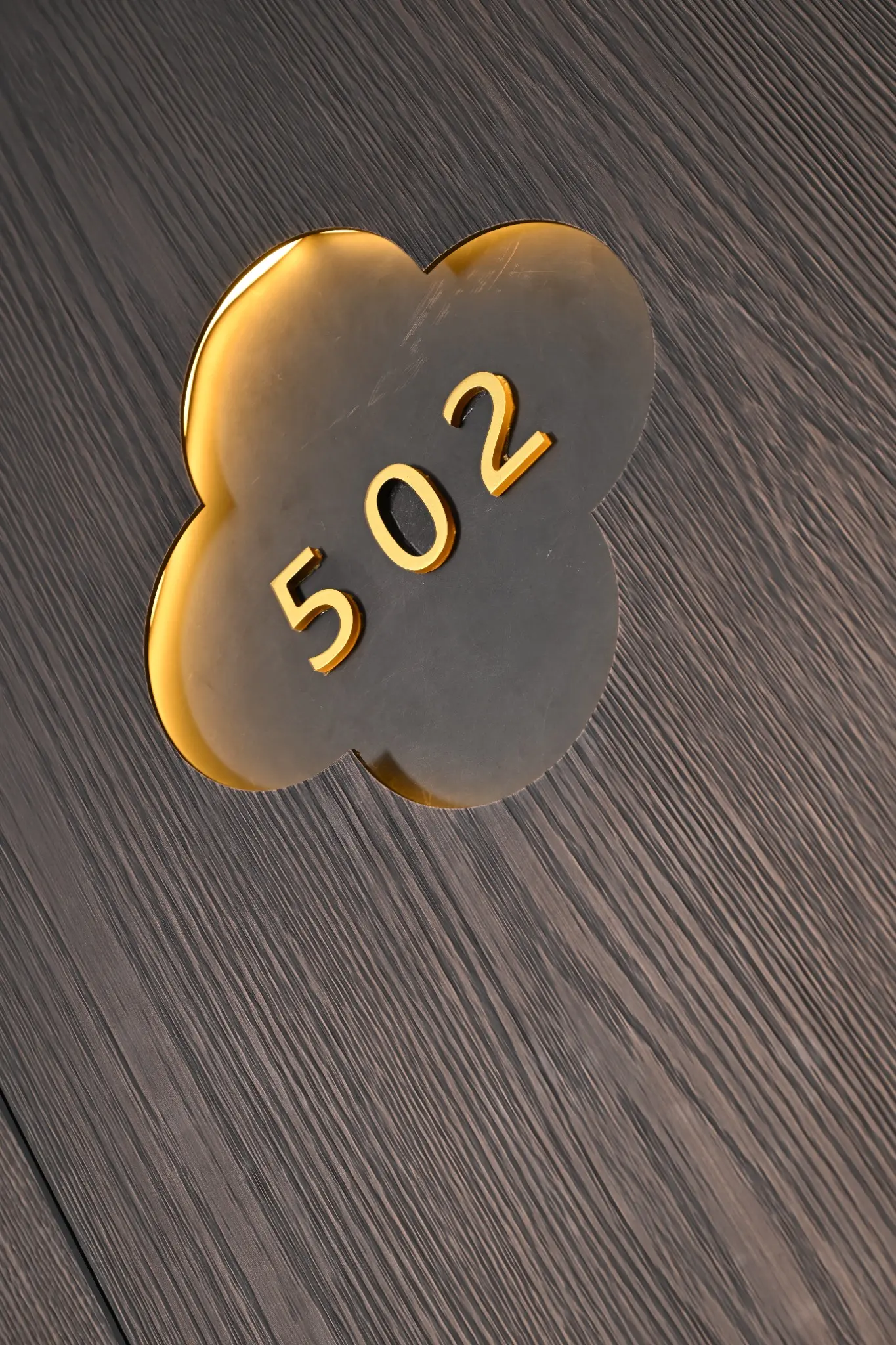
The staged entrances demonstrated three distinct design directions: restrained contemporary planes, more expressive relief and bronze-toned surfaces, and project-specific combinations of scale, lighting and hardware. The important point was not to attach one construction claim to every appearance. A selected design still needs to be matched to the required frame, leaf, hardware, exposure and destination compliance route.
From exhibition interest to a workable brief
For overseas distributors, developers and design teams, a productive follow-up should include the project location, opening size, door arrangement, quantity, exposure, target standards, preferred finish and access-control requirement. EPIN TOMCIM can then identify the relevant reference construction, available evidence and items that need project-specific development.
What the exhibition changed
The event reinforced a simple direction for future product work: make technical evidence easier to review, keep customisation inside a controlled manufacturing system and present the entrance as part of the architecture. Those priorities are more useful internationally than a broad “premium” label.
This event note is adapted from EPIN TOMCIM's official WeChat recap published on 3 June 2026. Exhibition imagery and dates come from that record. Product performance and compliance remain subject to the exact quoted configuration and destination requirements.