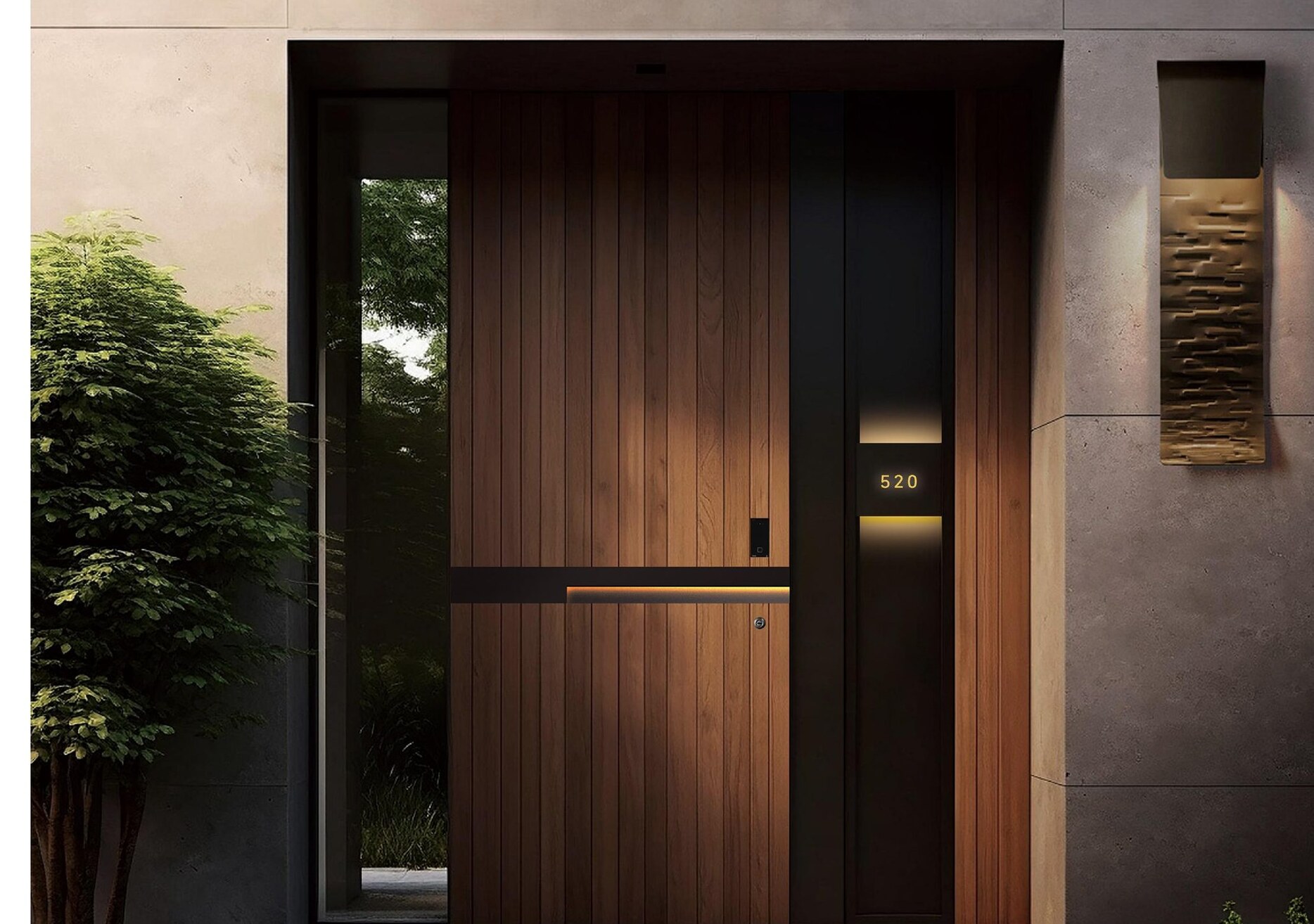
01
Thermal-break approach
A carbon-steel thermal-break concept is used to reduce direct heat-transfer paths through the entrance structure. The applicable section design and thermal data are confirmed for the selected configuration.
Technology & construction
The 2026 catalogue presents a carbon-steel thermal-break approach, multi-stage sealing and a layered insulated door leaf. Exact construction and performance depend on model, size, hardware and test configuration.
Catalogue-derived reference · final specification and evidence are confirmed for each configuration.
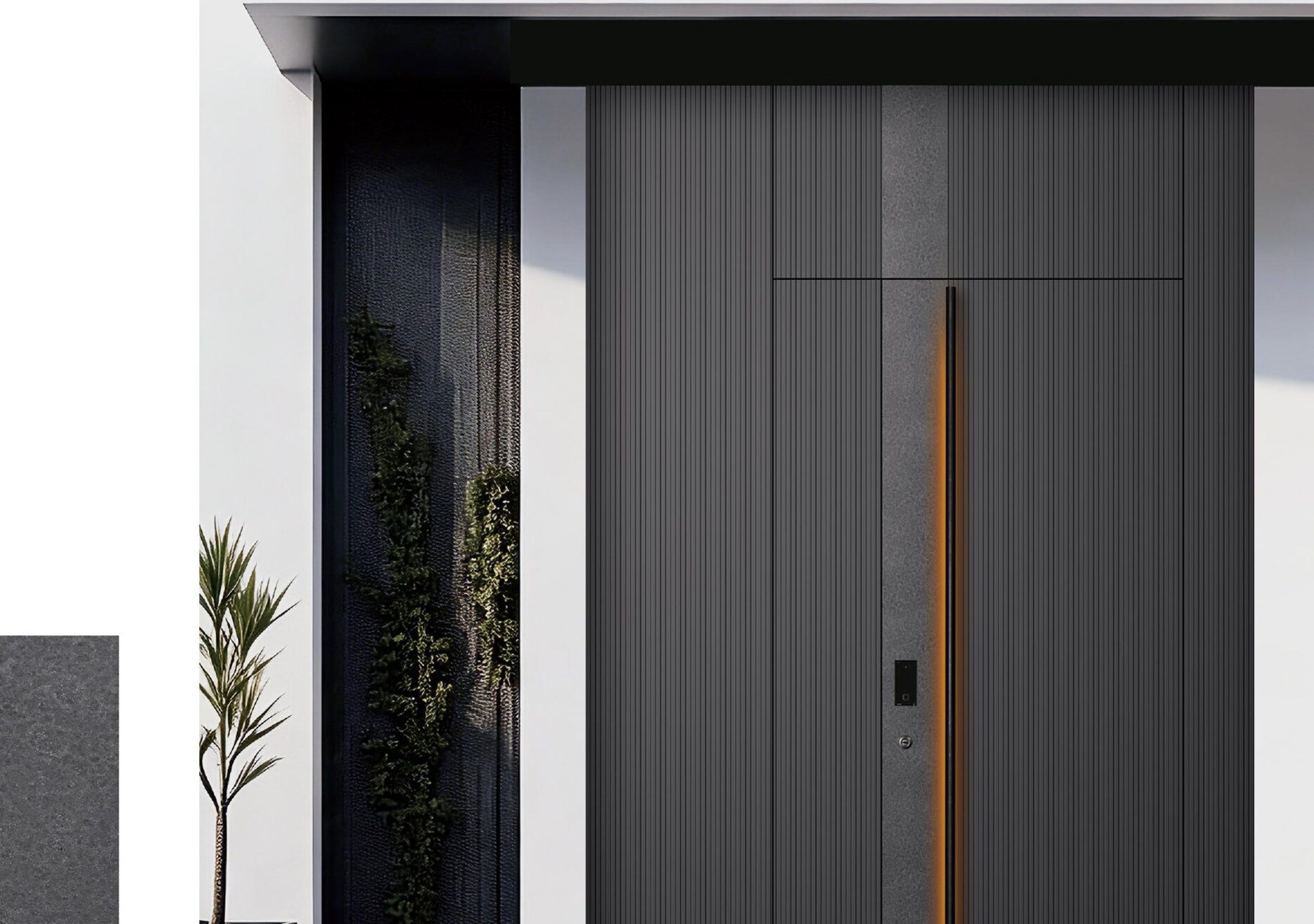
A carbon-steel thermal-break concept is used to reduce direct heat-transfer paths through the entrance structure. The applicable section design and thermal data are confirmed for the selected configuration.
Multiple sealing lines, dense core materials, insulation layers and controlled joints are presented as a coordinated strategy for air, sound and temperature control.
Performance is not assigned to the door panel alone. Frame, threshold, hardware, glazing, installation interface and smart access are reviewed as one entrance system.
Published construction notes
These references are carried over from current company material, rewritten for specification review rather than presented as universal product claims.
Read the technical noteThe published reference uses precision-formed galvanized steel as the structural frame base. Company material identifies a 2 mm sheet and a Z275 coating reference; material certificates and the applicable standard should be checked for the quoted configuration.
A PA66 GF25 polyamide insulating strip separates interior and exterior metal sections. Company material states a reference thermal conductivity of approximately 0.25–0.30 W/(m·K); final section design and evidence remain configuration-specific.
The reference door leaf uses polyurethane foam to fill irregular cavities and support continuous insulation. The catalogue identifies a low-conductivity polyurethane material; formulation, fire behaviour, emissions and thermal data must be supported by the current supplier and product documents.
A 45-degree rebated interface increases the contact path between leaf and frame and is intended to improve compression at the seals. Air, water and acoustic results depend on the complete tested assembly and installation.
Company technical material also references extruded polystyrene insulation at the frame-to-wall interface, with a stated conductivity below 0.030 W/(m·K). Suitability, fire requirements and installation detail must be resolved for the destination project.
Reference door leaf
The following is the reference layer stack shown in the 2026 catalogue. It is not a universal specification; the final bill of materials is confirmed by model and project.
Patent references
China patent references listed in the 2026 catalogue: ZL202420357713 and ZL202421539559.7. Scope and legal status should be confirmed from current documents when material to a project.
Performance evidence
Published performance values apply only when supported by an identified test report and matching product configuration. Ask the sales team for thermal, acoustic, fire, weather or security documentation relevant to your destination.
Hardware integration
The catalogue includes concealed-hinge and integrated access-control options. Load rating, opening angle, power, lock body and service access must be matched to the final door size and local requirements.
Finish approval
Colour and surface samples are available as a starting palette. Approval should be based on a physical sample or agreed control reference because screen colour and production batches can vary.