Technology · 20 May 2026
A closer look at the carbon-steel thermal-break approach
How a separated steel frame, an insulating strip and a coordinated infill strategy are intended to reduce direct heat-transfer paths around an entrance.
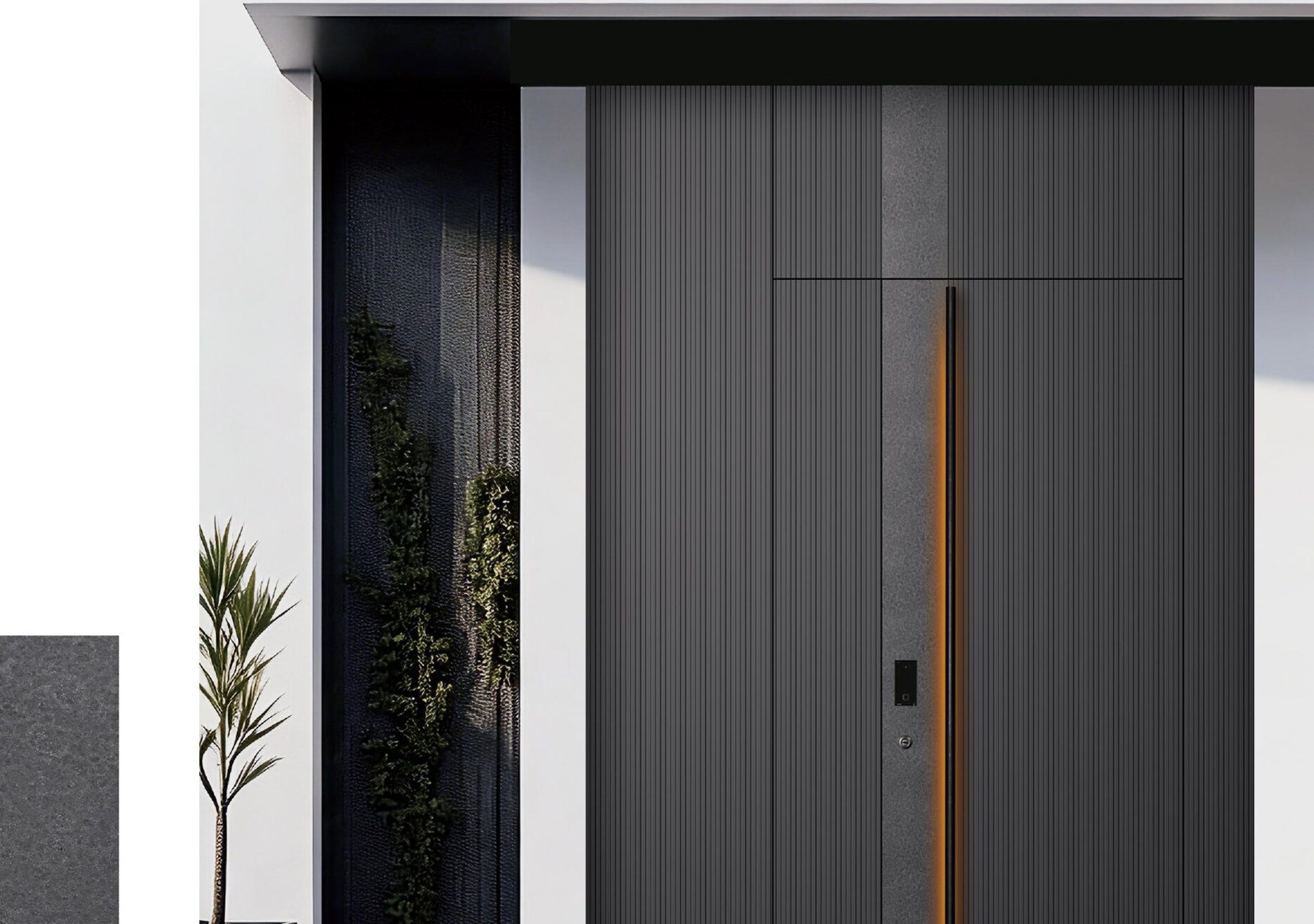
Why the frame matters
An entrance is a junction between the building envelope, the door leaf, the frame, the threshold and the surrounding wall. A direct metal path through that junction can increase heat transfer. EPIN TOMCIM's current technical material presents a carbon-steel thermal-break approach that physically separates the interior and exterior metal sections with an insulating connector.
Reference components
- A precision-formed galvanized-steel frame is used as the structural base in the published reference.
- A PA66 GF25 polyamide insulating strip separates the metal sections. Company material states a thermal conductivity of approximately 0.25–0.30 W/(m·K) for this component.
- An insulated infill and controlled installation interface are used to address heat flow around the frame and wall junction.
- Multi-stage seals, the threshold and the selected glazing or access hardware are reviewed as part of the same entrance system.
From concept to project specification
The thermal-break principle is not a universal performance certificate. Section geometry, door size, threshold, glazing, hardware and installation all affect the completed assembly. For a project decision, request the applicable drawing, bill of materials and test evidence for the exact configuration being quoted.
This article has been adapted from the company's current China-market technical material for an international project audience. Values and compliance must be confirmed against current controlled documents.